Nutrition
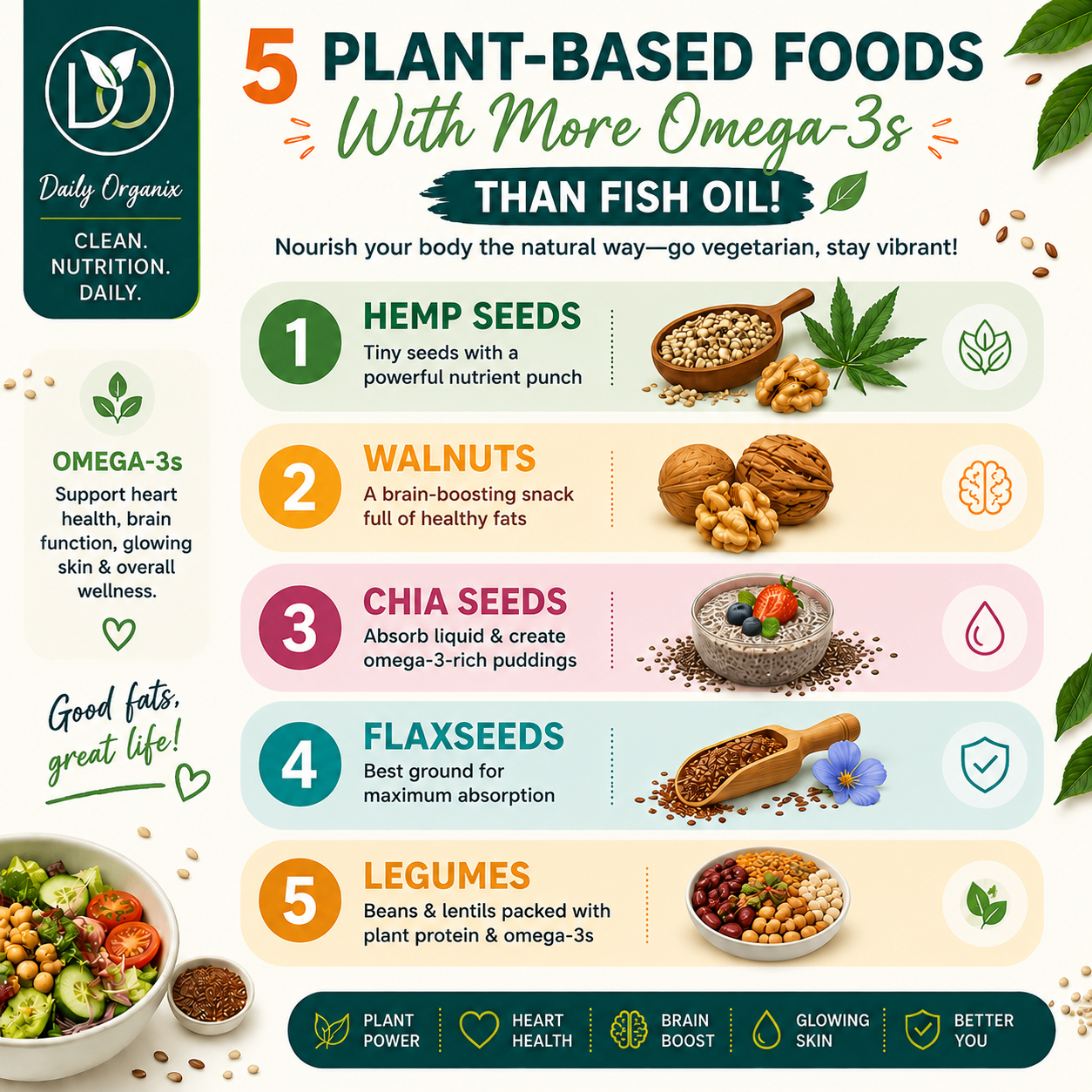
5 Plant-Based Foods With More Omega-3s Than Fish Oil
Think you need fish for your Omega-3s? Think again. Many plant-based sources offer high levels of Alpha-Linolenic Acid (ALA), essential for heart and brain health. We share five powerful vegetarian alternatives that can easily fit into your daily diet without the fishy aftertaste.
The Essentiality of Omega-3s
Omega-3 fatty acids are 'essential' fats, meaning our bodies cannot produce them; we must get them from our diet. They are a crucial component of the membranes that surround every cell in your body. In particular, they are found in high concentrations in the brain and eyes. While fish oil is the most common supplement, many people are looking for plant-origin alternatives for ethical, taste, or environmental reasons.
Plant-based Omega-3s come primarily in the form of Alpha-Linolenic Acid (ALA). Beyond being a precursor to other fats, ALA has been shown to support cardiovascular health by helping to maintain healthy cholesterol levels and supporting the flexibility of the arteries. For the large vegetarian population in India, focusing on these sources is a vital part of a balanced diet.
1. Flaxseeds: The ALA Powerhouse
Flaxseeds (Alsi) are perhaps the most potent source of ALA available. Just one tablespoon of ground flaxseeds provides more than the recommended daily intake of Omega-3s for most adults. They are also incredibly high in lignans, which have antioxidant properties, and fiber, which helps with digestion and satiety.
To get the most out of flaxseeds, it is important to eat them ground. The outer shell is tough, and if eaten whole, they usually pass through the digestive system undigested. You can easily add ground flax to rotis, parathas, or smoothies for an invisible nutrition boost.
2. Chia Seeds: The Versatile Superseed
Chia seeds have gained immense popularity, and for good reason. They are loaded with Omega-3s, fiber, and protein. When soaked in water or milk, they expand and create a gel-like consistency, making them perfect for puddings or as a natural thickener in recipes. This ability to hold water also helps with prolonged hydration.
Because chia seeds have a neutral flavor, they are incredibly versatile. They don't require grinding like flaxseeds, making them a convenient 'sprinkle-and-go' option for busy mornings. Two tablespoons of chia seeds contain approximately 5 grams of ALA, making them an efficient way to hit your daily targets.
3. Walnuts: The Brain-Shaped Reward
It is often said that nature provides clues to a food's function; walnuts look like a brain and are indeed excellent for brain health. Among all nuts, walnuts have significantly more Omega-3 fatty acids. They are a staple in many Indian households as 'Akhrot' and provide a satisfying crunch along with their nutrient density.
Eating walnuts regularly has been linked to improved cognitive function and memory. They are also rich in polyphenols, which work alongside the Omega-3s to manage oxidative stress within the brain and heart tissue. A small handful daily is all you need to reap these benefits.
4. Hemp Seeds and Brussels Sprouts
Hemp seeds (often available as hemp hearts) are another complete source of nutrition, offering a perfect ratio of Omega-3 to Omega-6 fatty acids. They have a mild, nutty flavor and are very easy to digest. Meanwhile, green vegetables like Brussels sprouts also contain a surprising amount of ALA, especially when cooked correctly.
Incorporating a variety of these sources ensures you aren't just getting Omega-3s, but also a wide array of other minerals like magnesium, iron, and potassium. By choosing these plant-based options, you contribute to a more sustainable food system while prioritizing your personal health and well-being.
Key takeaways
- ALA is the essential plant-based form of Omega-3 fatty acids.
- Consistent Omega-3 intake supports healthy inflammatory responses.
- Plant sources are often more sustainable and free from heavy metals.
- Flaxseeds and chia seeds are among the most concentrated sources known.
Wellness tips
Tip 1
Grind flaxseeds just before eating to prevent spoilage and aid digestion.
Tip 2
Soak chia seeds to make a 'pudding' for a nutritious dessert or breakfast.
Tip 3
Add a handful of walnuts to your evening snack routine.
Tip 4
Use hemp seeds as a topper for salads and grain bowls.
FAQ
Support Your Wellness Journey
Balanced Essential Fats
Complement your plant-based diet with our comprehensive micronutrient support.