Vitamins & Minerals
Magnesium: The Mighty Mineral You Might Be Missing
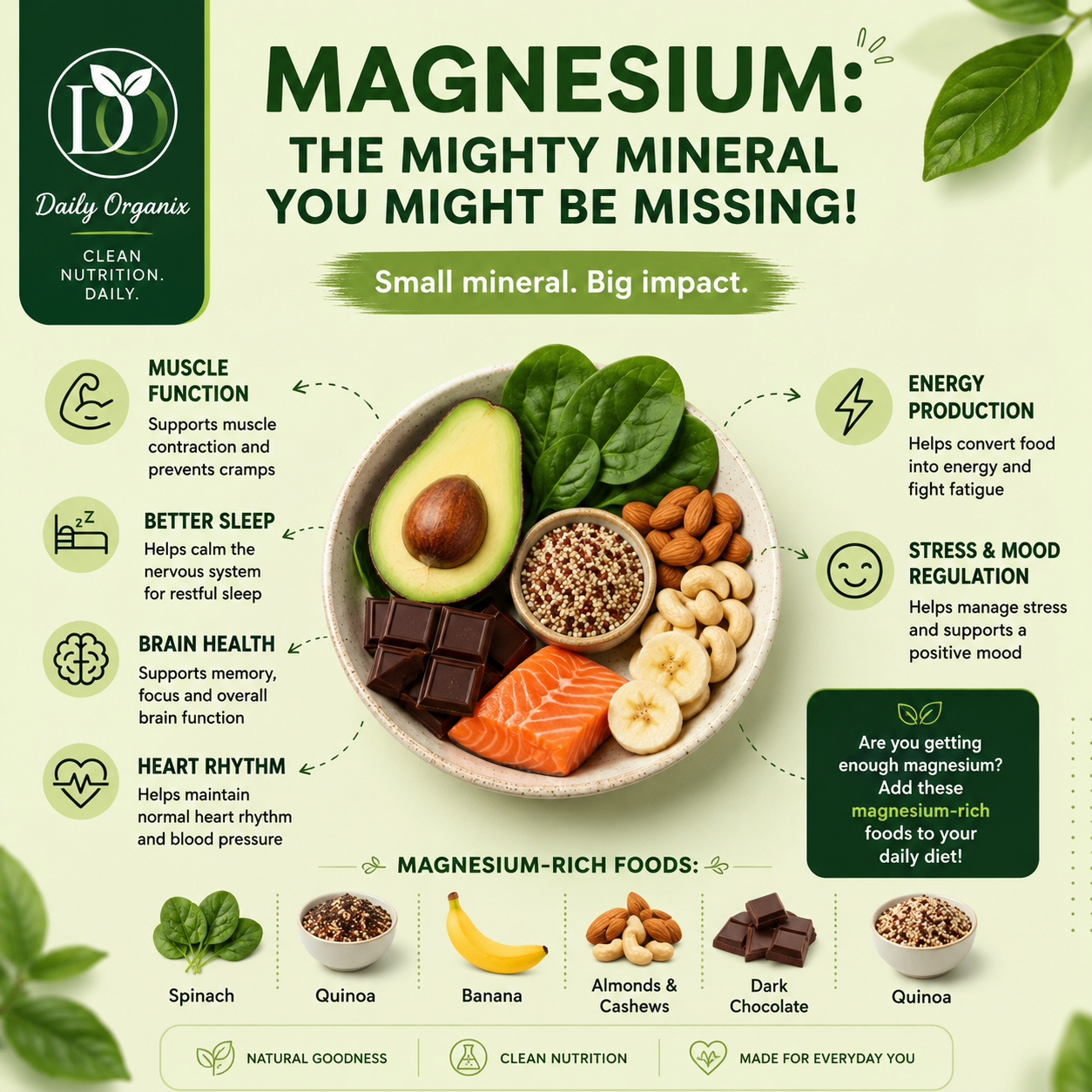
Magnesium is involved in over 300 biochemical reactions in the human body, yet many are unknowingly deficient. From muscle relaxation to energy production, this mineral is the unsung hero of the wellness world. We dive into why magnesium is critical for your health and how to ensure you're getting enough.
The Foundation of Every Cell
Magnesium is the fourth most abundant mineral in the human body. Every single cell in your body contains it and needs it to function. It acts as a cofactor—a 'helper molecule'—in the biochemical reactions continuously performed by enzymes. These reactions include creating energy from food, forming new proteins from amino acids, and helping create and repair DNA and RNA.
Despite its critical role, dietary surveys often suggest that a large percentage of adults do not meet the recommended daily intake. This ‘hidden hunger’ for magnesium can lead to subtle but persistent health issues that affect quality of life. Understanding where your magnesium goes and how to replenish it is the first step toward optimal vitality.
Muscle Recovery and Physical Performance
For those who lead an active lifestyle, magnesium is non-negotiable. During exercise, you may need 10–20% more magnesium than when you’re resting, depending on the activity. It helps move blood sugar into your muscles and dispose of lactate, which can build up during exercise and cause fatigue.
Furthermore, magnesium regulates muscle contractions. While calcium causes muscles to contract, magnesium allows them to relax. If your body doesn't have enough magnesium to compete with the calcium, your muscles may contract too much, causing cramps or spasms. Maintaining the right balance is essential for athletes and casual movers alike.
A Natural Calm for the Nervous System
In our fast-paced world, stress is a constant. Magnesium plays a pivotal role in the body’s stress response. It helps regulate neurotransmitters, which send messages throughout the brain and body. It also interacts with the GABA receptor, the neurotransmitter responsible for quieting down nerve activity, which is crucial for relaxation.
When we are stressed, our bodies excrete more magnesium through urine, creating a cycle where stress leads to deficiency, and deficiency makes us more susceptible to stress. By ensuring adequate magnesium levels, you can help buffer your nervous system against the demands of daily life, leading to improved mood and better sleep architecture.
Bone Health and Nutrient Synergy
While calcium usually gets all the credit for bone health, magnesium is equally important. Approximately 60% of the magnesium in your body is found in bones. It contributes to increased bone density and helps the body effectively utilize Vitamin D and calcium. Without enough magnesium, Vitamin D cannot be properly metabolized.
This synergy is vital for preventing long-term bone density loss. A holistic approach to skeletal health must include magnesium to ensure that the calcium you consume is actually being deposited into the bones rather than accumulating in soft tissues like the arteries.
Addressing the Modern Deficiency
Why is deficiency so common? Modern industrial farming often results in soil that is depleted of minerals, meaning the vegetables we eat today may contain less magnesium than they did 50 years ago. Additionally, processing foods—like refining wheat into white flour—removes the magnesium-rich germ and bran.
To counter this, focus on whole, unprocessed foods. Incorporating Indian staples like dal, whole wheat, and seeds can improve your levels. However, for those with high stress or specific health goals, targeted supplementation can bridge the gap and restore the body's mineral stores efficiently.
Key takeaways
- Magnesium regulates muscle contractions and prevents cramping.
- It plays a vital role in psychological function and stress management.
- Many modern diets are low in magnesium due to soil depletion.
- The mineral is essential for converting food into cellular energy.
Wellness tips
Tip 1
Eat more leafy greens like spinach and kale daily.
Tip 2
Take an Epsom salt bath to absorb magnesium through the skin.
Tip 3
Limit caffeine and soda, which can deplete magnesium stores.
Tip 4
Choose pumpkin seeds and almonds for a mid-day mineral boost.
FAQ
Support Your Wellness Journey
Support Your Relaxation
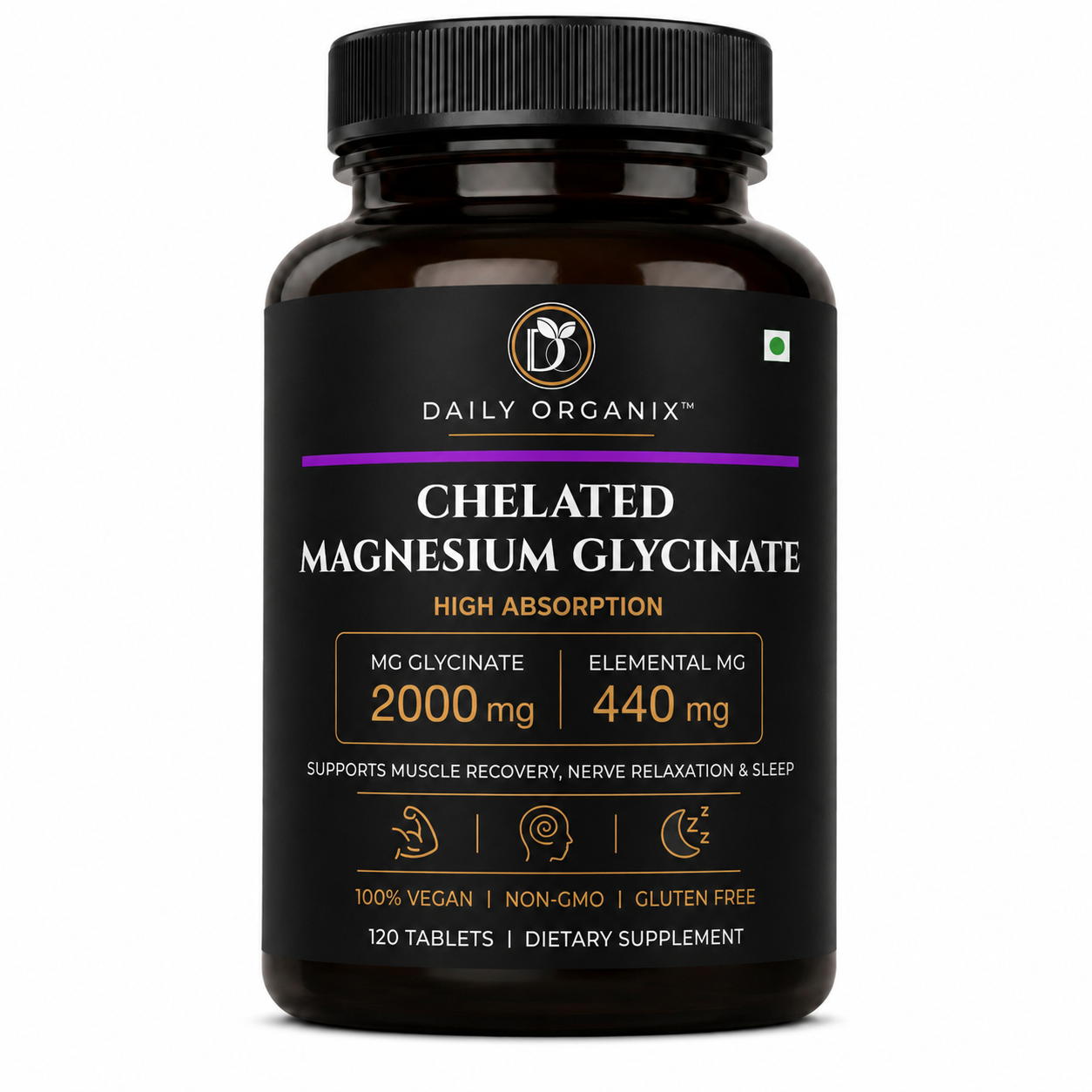
Experience the calming benefits of high-absorption Magnesium Glycinate.